We have sophisticated manufacturing set up for RF/ AM EAS system and having tie-up with sensormatic which is leading multinational company for Anti theft security systems. A huge quantity of customers relies on us for EAS systems that are manufactured under stern quality controls, well-favored for its robust construction, easy to operate and serve the finest outcome in a product efficient manner.
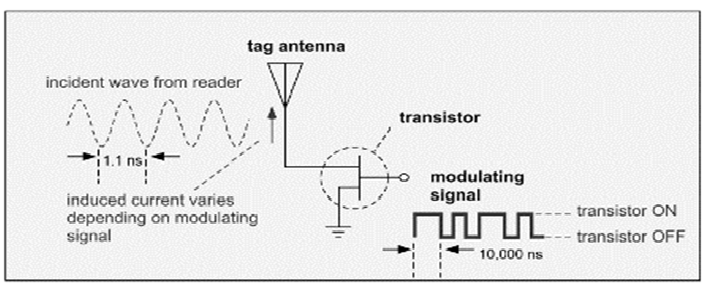
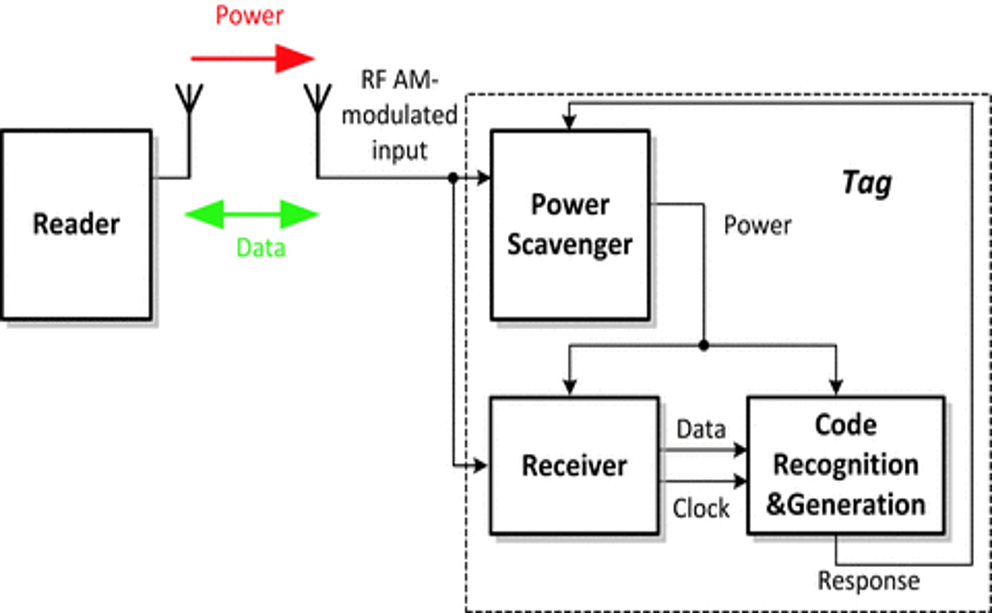
Radio frequency identification (RFID) tagging system includes internal control of fixed assets, internal control of expensed assets and theft prevention. The RFID system involves a tag and a reader. When scanned, the antenna within the tag picks up the radio wave and sends a response back to the reader.
An EAS system or electronic article surveillance system works with detection antennas that are installed at the exit of the store and the hard tags or labels attached to the articles sold in the store. The detection antennas constantly emit electromagnetic energy. You often find the AM label on clothes.
There are two commonly used types of EAS – radio frequency (RF) and acousto magnetic (AM), and the difference between them is the frequency at which they operate. This frequency is measured in hertz.
Acousto Magnetic systems operate at 58 KHz, which means a signal is sent out in pulses or bursts between 50 and 90 times a second while Radio Frequency or RF operates at 8.2 MHz
Each type of EAS has benefits, making some systems more suited to specific retailers than others.
Tags and labels range from an array of small ultra-thin adhesive labels through to a variety of hard tags, and are suitable for a numerous applications, including clothing, food and pharmaceutical products.
Historically RF has been considered more affordable to install and is often most popular with retailers who use adhesive security labels over security hard tags.
- Affordability: Price can range from very low cost for more basic RF systems to high cost for advanced RF systems.
- Available as flat paper labels
- Wide range of label shapes, sizes and presentation
- Labels can be printed on
- Potential for upgrade path to RFID with some RF antenna systems
- Easy high-speed security label deactivation including possible integration with POS scanners
Available from many manufacturers
Acousto Magnetic EAS sees a transmitter send out a signal in bursts which energize tags within the pedestal zone. When the pulse ends, the tag responds.
Between bursts, the tag’s signal is detected by a receiver. Therefore, if an active tag passes between the pedestals, an alarm will sound.
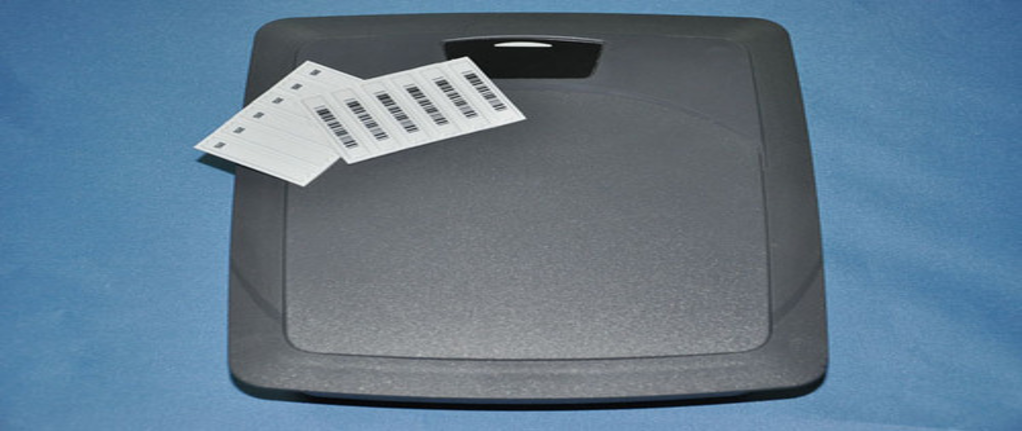
AM hard tags are available in a range of sizes, and can be reused. Although smaller than RF labels, AM labels are not paper thin and instead have a raised profile. Labels can potentially be deactivated and reactivated, although this is not common practice. They are activated when magnetized and deactivated when demagnetized.
Radio frequency identification (RFID) tagging system includes internal control of fixed assets, internal control of expensed assets and theft prevention. The RFID system involves a tag and a reader. When scanned, the antenna within the tag picks up the radio wave and sends a response back to the reader.
Radio Frequency Identification (RFID) is the wireless non-contact use of radio frequency waves to transfer data. Tagging items with RFID tags allows users to automatically and uniquely identify and track inventory and assets. RFID takes auto-ID technology to the next level by allowing tags to be read without line of sight and, depending on the type of RFID, having a read range between a few centimeters to over 20+ meters.
RFID has come a long way from its first application of identifying airplanes as friend or foe in World War II. Not only does the technology continue to improve year over year, but the cost of implementing and using an RFID system continues to decrease, making RFID more cost-effective and efficient.
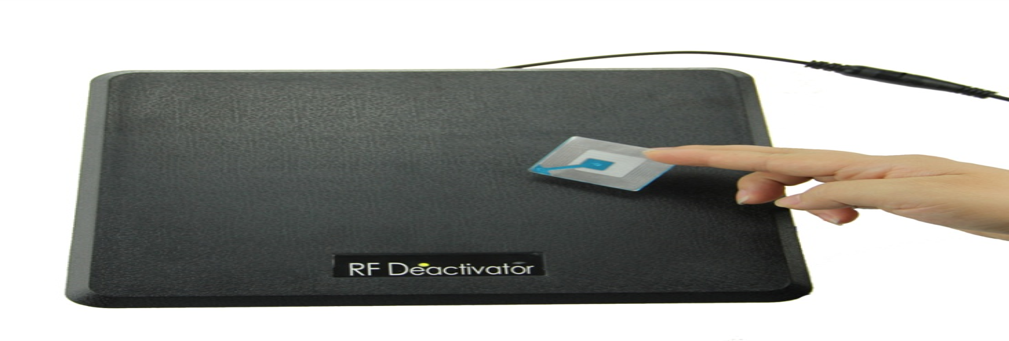
Labels are deactivated by using a Label Deactivator to overload the integrated capacitor and effectively break the label’s circuit.
AM tags and labels are activated and deactivated using purpose-built magnets that match the strength of the tags.
These detachers are used to remove the hard tag from the asset or an object. These detachers are varied from GS as compared to the tags.